

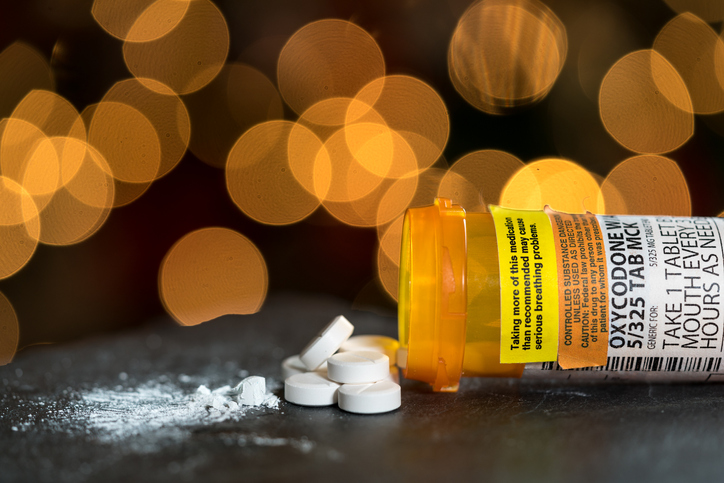
What is oxycodone?
Oxycodone is a semi-synthetic opioid in the same class as morphine and heroin. It’s typically prescribed in tablet form for around-the-clock pain relief, either as an immediate-release or extended-release medication.
While effective for pain management, oxycodone’s euphoric effects make it one of the most frequently misused prescription opioids.
According to the Centers for Disease Control and Prevention (CDC), prescription opioids like oxycodone remain a key driver of the U.S. overdose crisis.
Oxycodone side effects
Because oxycodone acts on opioid receptors throughout the body, it can cause a range of short- and long-term effects. Even when taken as directed, these side effects may occur.
Common short-term side effects of oxycodone
Short-term reactions typically appear soon after a dose and may include:
- Drowsiness or sedation
- Constipation, nausea, or vomiting
- Dizziness or lightheadedness
- Itching or dry mouth
- Headache or blurred vision
These symptoms often intensify with higher doses or when oxycodone is combined with alcohol or other sedatives.
Long-term effects of oxycodone use
Prolonged or heavy oxycodone use can lead to more serious complications, including:
- Hormonal changes and sexual dysfunction
- Chronic constipation and digestive issues
- Depression, irritability, or anxiety
- Liver or kidney damage
- Increased risk of heart problems, including arrhythmias and heart failure
Oxycodone vs. Hydrocodone: Side effect differences
Both oxycodone and hydrocodone are potent opioids used for pain relief, but their side effect profiles differ slightly.
Oxycodone may be more likely to cause euphoria, making it more addictive for some users.
Hydrocodone often produces stronger sedation and may be combined with acetaminophen, which can damage the liver in high doses.
Only a licensed clinician can determine which medication, if any, is appropriate for your pain management needs.
Signs and symptoms of oxycodone abuse
Recognizing the warning signs early can save lives. Abuse can begin quietly, since pills can be swallowed without paraphernalia.
Behavioral warning signs
- Neglecting responsibilities at work, school, or home
- Secretive behavior or hiding pills
- “Doctor shopping” for multiple prescriptions
- Loss of interest in favorite activities
Physical and psychological symptoms
- Dilated pupils and drowsiness
- Short attention span or confusion
- Mood swings, anxiety, or depression
- Persistent sedation or slowed breathing
Risk factors for addiction
A personal or family history of substance use disorder, chronic pain, or untreated mental health conditions significantly increases the risk of oxycodone dependence.
Oxycodone addiction and dependence
Dependence can develop in just a few weeks of regular use.
Addiction is defined by compulsive drug-seeking despite harm and may include intense cravings, loss of control, and withdrawal symptoms when use stops.
How Oxycodone Addiction Develops
Repeated exposure to oxycodone changes the brain’s reward system, making it difficult to feel pleasure without the drug. This cycle of tolerance and escalation can lead to dangerous doses and life-threatening consequences.
The impact of oxycodone use on mental health
Oxycodone addiction rarely affects the body alone. It can deeply disrupt a person’s emotional well-being and overall mental health.
Prolonged opioid use alters the brain’s chemistry, including the pathways that regulate mood and stress. These changes can lead to, or intensify, conditions such as depression, anxiety disorders, and mood instability.
Many people begin taking oxycodone to manage physical pain, but soon find themselves battling emotional pain as well.
Chronic use can dull the brain’s natural reward system, making it difficult to experience pleasure from everyday activities. This often leads to feelings of emptiness or hopelessness, which in turn can drive further drug use in an attempt to feel “normal.”
It’s also common for individuals with pre-existing mental health concerns to misuse opioids as a form of self-medication.
Unfortunately, this only creates a vicious cycle: untreated psychiatric symptoms increase the urge to use, while opioid dependence makes those symptoms more severe.
Dual Diagnosis Considerations
When addiction and mental illness occur together, treatment must address both issues simultaneously. This is known as a dual diagnosis. Focusing on only one condition often leads to relapse or incomplete recovery.
At Beach House Center for Recovery, patients receive integrated care that combines opioid addiction treatment in Florida with evidence-based mental health therapies.
Our licensed clinicians work as a team to create individualized plans that may include medication management, cognitive behavioral therapy, and trauma-informed counseling.
Our whole-person approach ensures that patients heal not only from the physical dependence on oxycodone but also from depression, anxiety, or other underlying mental health challenges.
Oxycodone withdrawal symptoms and timeline
When someone who is dependent stops using oxycodone, withdrawal can begin within 8–12 hours and peak around 72 hours.
Symptoms may include:
- Muscle aches and cramps
- Insomnia and anxiety
- Sweating and chills
- Nausea, vomiting, and diarrhea
While rarely life-threatening, these symptoms can be intensely uncomfortable.
A structured medical detox for oxycodone withdrawal provides 24/7 monitoring, comfort medications, and relapse prevention planning.
Why medical detox is essential
Attempting to quit on your own can increase the risk of relapse and overdose. Medically-supervised detox for oxycodone withdrawal provides:
- 24/7 monitoring by licensed clinicians to ensure safety and address complications
- Comfort medications to ease symptoms like pain, nausea, and anxiety
- Relapse prevention planning and immediate access to opioid addiction treatment in Florida for long-term recovery
Professional detox creates a safer, more comfortable environment and a stronger foundation for lasting sobriety.
Oxycodone overdose: Symptoms and emergency action
An oxycodone overdose is a medical emergency that can be fatal within minutes. Quick action is critical.
Recognizing overdose signs
Watch for:
- Slow or stopped breathing
- Blue lips or fingertips
- Extreme drowsiness or unresponsiveness
- Pinpoint pupils
What to do in a suspected overdose
If you suspect someone is experiencing an overdose:
- Call 911 immediately and give details about what was taken and when.
- Administer naloxone (Narcan) if it’s available.
- Stay with the person and place them on their side until help arrives.
Rapid response and naloxone can reverse an overdose and save a life.
For more information, see the CDC’s guidance on opioid overdose
Treatment for oxycodone abuse and addiction
Recovering from oxycodone dependence requires a plan that addresses both the body and mind.
At Beach House Center for Recovery, treatment is customized to each patient and may include:
- Medical detox for oxycodone withdrawal to manage symptoms safely
- Medication-assisted treatment (MAT) to reduce cravings and stabilize mood
- Individual and group therapy to uncover triggers and build coping skills
- Dual diagnosis and co-occurring mental health support when depression, anxiety, or other conditions are present
- Relapse-prevention planning and continuing care to maintain long-term recovery
Our licensed clinicians guide you through every step, ensuring care that supports physical health and emotional well-being.
What to expect from opioid detox and treatment
Entering treatment can feel overwhelming, but knowing what to expect helps.
In our Florida center, you can anticipate:
- 24/7 medical supervision for comfort and safety during detox
- Comfort medications to ease withdrawal symptoms like insomnia, anxiety, and muscle aches
- Smooth transition to inpatient or outpatient opioid addiction treatment, where evidence-based therapies and holistic services such as mindfulness, nutrition support, and recreational therapy build resilience and confidence
This continuum of care provides a strong foundation for lasting sobriety and a healthier future.
Start your healing journey with Beach House Center for Recovery
You don’t have to face oxycodone addiction alone.
Beach House offers compassionate, evidence-based care in a peaceful, campus-based setting. Our admissions team is available around the clock to answer questions, verify your insurance coverage, and help you take the first step.
If you or a loved one needs help, contact our team today and begin your journey toward lasting wellness.
Frequently asked questions
Do you have questions about oxycodone use, withdrawal, or treatment? These answers address some of the most common concerns we hear from patients and families seeking help.
How long does oxycodone stay in your system?
Oxycodone can typically be detected in urine for up to four days, in blood for about 24 hours, and in hair for up to 90 days.
Detection times vary based on dosage, frequency of use, and individual metabolism.
Does insurance cover detox?
Most major insurance plans cover medical detox and opioid addiction treatment.
Our admissions specialists can quickly and confidentially verify your insurance coverage to help you understand your options.
Can you detox from oxycodone at home safely?
Because withdrawal symptoms can be severe and relapse risk is high, medical professionals strongly recommend a supervised detox program rather than attempting to quit on your own.
A professional setting provides 24/7 monitoring, comfort medications, and immediate access to ongoing treatment for the best chance of lasting recovery.
Related Articles :
Oxycodone Detox Withdrawal Symptoms and Timeline
How Does Oxycodone Make You Feel?
Oxycodone Overdose Symptoms, Signs & What to Do
Addiction to Oxycodone, Hydrocodone and Other Opiates: Warning Signs, Effects and Stats