

Drugs that are hardest on the liver
Common medications that affect liver function
Medications that may increase your risk of liver damage include:
- Tylenol
- Amoxicillin (used to treat respiratory infections)
- NSAIDs (Non-steroidal anti-inflammatory drugs)
- Amiodarone (used to treat abnormal heart rhythms)
- Allopurinol (used to treat gout flares)
- Anti-seizure medications
- Anti-depressant medications
- Several cancer medications
Alcohol and liver toxicity
Among substances that are hardest on the liver, alcohol is at the top. “A large proportion of heavy drinkers develop serious alcoholic liver disease,” according to the same NIAAA report cited above. Certain factors (e.g., genetic heredity, gender, diet and co-occurring liver illness) may influence susceptibility.
For example, the American Liver Foundation says women are more likely to suffer liver damage than men.
Still, there is no denying that alcohol is toxic, and its metabolism exposes the liver to these toxins and greater inflammation. Over time, chronic drinking only escalates this liver injury, leading to fibrosis and cirrhosis.
How drug interactions can increase liver risk
While alcohol is probably the worst and most common offender implicated in damaging the liver, there are other drugs that can cause liver damage.
If you are using any of these drugs listed by the National Institute on Drug Abuse, you may be at higher risk of liver damage:
- Heroin
- DXM
- Inhalants
- Steroids
Assessing your risks of liver damage
Chronic heavy drinking and drug use can significantly increase your risk of liver damage.
Lifestyle and dietary factors
With alcohol, the amount you drink is the biggest risk factor for liver damage or liver disease.
According to the National Library of Medicine (NIH), drinking heavily for just a few days can significantly raise your chances of developing fatty liver disease. Over time, chronic drinking can alter the liver’s fat metabolism, causing excess fat to build up in the liver.
Genetic and medical predispositions
Some people may have a higher inherent risk of liver damage due to genetics, pre-existing medical conditions, or family history of liver disease. These factors can make the liver more vulnerable, even with lower levels of alcohol or substance use.
Alcohol-related liver damage
Over the longer term, alcoholic hepatitis can develop, eventually progressing to cirrhosis—a terminal condition. About 20 percent of alcoholics and heavy drinkers develop fatty liver disease, often without any symptoms except for an enlarged liver. Fatty liver disease is typically the first stage of alcohol-related liver disease, followed by alcoholic hepatitis, then cirrhosis.
The rate and prevalence of chronic liver disease in the U.S. have increased in recent years. Liver-specific death rose by 15.9% from 2019 to 2021, according to the National Vital Statistics System. Research also suggests that alcohol use is one possible explanation for this rise.
Signs and symptoms of liver damage
Vision problems
Blurry vision, nearsightedness, floating spots, dry eyes, and color blindness can all indicate reduced blood flow through the liver caused by inflammation. One of the most common causes of liver inflammation is alcoholism.
Exhaustion
Fatigue is one of the most common symptoms of liver damage and can significantly affect daily life. Researchers believe liver damage may alter brain chemistry and hormone levels—especially corticotropins, serotonin, and noradrenaline—reducing energy and motivation.
Itchy skin (pruritus)
Itchiness often affects the entire body rather than one area and may or may not be accompanied by redness or roughness. Liver disease is one of several possible causes. If the condition has developed suddenly and lasts more than two weeks, the Mayo Clinic recommends seeing a doctor to determine the cause.
Bruising easily
If you bruise easily, your liver may not be producing enough of the proteins necessary for blood clotting, or production may have slowed down.
Changes in your stool and/or urine
Liver damage can cause dark yellow urine due to increased bilirubin levels in the blood. Stools may appear pale, thick, or tar-like, and blood in bowel movements can occur. Chronic constipation or alternating constipation and diarrhea (IBS symptoms) may also indicate liver dysfunction.
Fatty liver signs
Jaundice
Yellowing of the skin and eyes occurs when bilirubin builds up in the body because the liver cannot process it effectively. Bilirubin is a natural antioxidant produced from bile breakdown, but in excess, it can become toxic—causing seizures or neurological problems. According to Medical Daily, jaundice can result from excessive alcohol use, ecstasy abuse, hepatitis, cancer, or exposure to toxins and infections.
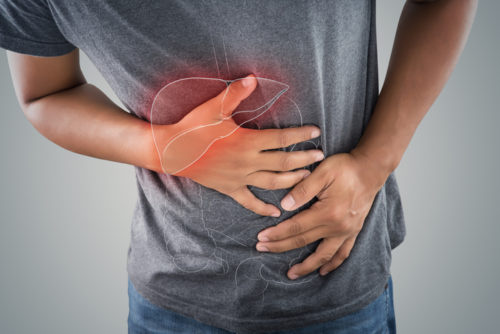
Pain or tenderness in the upper right abdomen
This discomfort, often described as throbbing or stabbing, may be linked to liver inflammation or damage. It can sometimes also arise from drug use.
Excessive sweating
When your liver is damaged, it works harder to perform its functions, generating more heat and raising body temperature. To cool down and eliminate toxins your liver can’t process, your body produces more sweat.
Advanced liver disease symptoms
Swelling in the legs or abdomen
Often caused by cirrhosis, this swelling results from fluid retention due to the liver’s inability to eliminate excess protein and fluid. In some cases, the abdomen may appear distended or “pregnant.”
Nausea and vomiting
Persistent nausea or unexplained vomiting may signal liver problems.
Loss of appetite and rapid weight loss
These symptoms typically appear when liver damage has progressed to liver disease. At this point, eating or retaining food can become difficult, requiring intravenous nutrients. Once liver function declines this severely, a transplant may be the only treatment option.
Encephalopathy
When the liver can no longer remove toxins, they build up and travel to the brain, causing mental confusion, memory issues, mood changes, disorientation, drowsiness, and even coma. This condition can be life-threatening, so immediate medical care is critical if these symptoms occur.
Asymptomatic liver damage
If you are not experiencing any of the above symptoms, keep in mind that as many as 50 percent of people with liver damage do not experience any real symptoms, the University of Iowa Hospitals and Clinics warns. At most, someone with liver damage may find they are fatigued, lack motivation and occasionally itch in places. (These are the most common signs of liver damage.)
Moreover, in the absence of treatment, liver damage can progress to liver disease, at which point there is little medical recourse in the form of a cure, beyond a transplant. What this means is that if you have a drinking problem or are using drugs, it never hurts to be proactive and consult a liver specialist. They can administer a simple blood test to check whether your liver enzymes are in the normal range (or not).
Can you reverse drug or alcohol-related liver damage?
The good news for anyone with drug- or alcohol-related liver damage is that the liver is incredibly resilient. With a sustained period of abstinence from drugs or alcohol, it can often repair itself (even from severe damage).
In other words, it is possible to reverse liver damage caused by substance use.
The same positive outlook applies to anyone who wants to quit drinking or using drugs but doesn’t believe they can do it alone. With professional treatment and support, long-term recovery is achievable, giving your liver a second chance at health.
That begs the question: why not take the first step and seek help for an addiction problem today?
Treatment options for liver recovery
Drug and alcohol treatment programs at Beach House Center for Recovery provide the structure, guidance, and medical support you need to safely detox, achieve sobriety and maintain long-term recovery.
Treatment programs may include supervised detoxification, behavioral therapy, medication-assisted treatment (MAT), counseling, and continuing care. Each step helps protect your liver from further harm while giving it the time it needs to heal.
Are you ready to begin your recovery journey? Call us today to learn more about our personalized treatment plans and specialized therapies.
Lifestyle changes and dietary support
After achieving sobriety, adopting healthy lifestyle habits like these can help protect your liver:
- Eat a balanced diet rich in antioxidant
- Stay hydrated
- Engage in regular exercise
- Avoiding processed or fatty foods
- Get regular medical check-ins to ensure your body is healing properly
Monitoring liver function for improvement
Your healthcare provider can measure liver enzyme levels through simple blood tests to monitor your ongoing recovery and healing. Over time, test results can confirm that the liver is healing and functioning more efficiently.
Maintaining sobriety and continuing healthy habits are essential to sustaining this progress.
Related reading:
- 5 Organs Damaged by Long-Term Adderall Abuse
- How Long Does Alcohol Stay in Your System?
- Common Health Issues Associated with Late-Stage Alcoholism
- Can You Reverse Alcohol’s Effects on the Brain and Liver?
How to detect liver damage early
Common tests for liver damage include:
- Enzyme and blood tests
A blood test panel, often called liver function tests (LFTs) or a liver panel, measures enzymes, proteins, and other substances to evaluate liver health. These include:
- Imaging and liver function assessment
If a blood test returns an abnormal result, imaging is often used to get a closer look at the liver’s condition. Imaging tests may include ultrasounds, transient elastography, magnetic resonance imaging (MRI), computed tomography (CT).
- Regular checkups and screening
Routine screenings are vital for early detection, especially since up to 50 percent of liver diseases have no early symptoms.
Liver damage prevention tips
- Reducing alcohol and drug exposure
Limit alcohol intake to moderate levels, avoid illicit drugs, and do not share needles.
- Maintaining a healthy diet and weight
Eat a diet rich in fruits, vegetables, whole grains, and healthy fats (e.g., avocados and nuts). Limit fatty and processed foods and exercise regularly to maintain a healthy weight.
- Monitoring medications and supplements
Be cautious of over the counter and prescription medications, follow all dosage instructions and avoid unnecessary supplements.
Frequently asked questions (FAQs)
How quickly can liver damage develop from alcohol or drugs?
It depends. For some, liver damage can begin in as little as a few weeks of heavy drinking or drug use, while it may take years for others. The important thing to remember is that stopping early can prevent further harm and give your liver a chance to heal.
Are liver enzyme tests always accurate for detecting damage?
Liver enzyme tests are helpful but not perfect. Your doctor may order additional tests or imaging to get a clearer picture.
While enzyme tests can show signs of inflammation or stress in the liver, some people with liver damage have normal results. That’s why it’s so important to get regular check-ups and stay on track with preventative screenings.
Can fatty liver progress to more serious liver disease?
Yes. Fatty liver is often the first stage of liver disease. Without early detection, treatment, and lifestyle changes, it can lead to inflammation (hepatitis) and eventually scarring (cirrhosis).
The good news? Fatty liver can often be reversed with early action.
What lifestyle changes help prevent liver damage?
Avoiding alcohol and drugs is the most effective step in preventing liver damage. Eating a balanced diet, staying hydrated, exercising regularly, and maintaining a healthy weight also help protect your liver. Even small, consistent changes can make a real difference.
Are there symptoms that appear only in advanced liver damage?
Yes. In advanced liver damage, people may develop yellowing of the skin or eyes (jaundice), abdominal swelling, confusion, or severe fatigue. These liver damage symptoms mean the liver is not functioning as well as it should and medical attention is needed right away.
How often should I get checked if I have risk factors?
If you drink regularly, use drugs, or have genetic risk factors, getting your liver checked once a year is a good idea. Your doctor may suggest more frequent testing if you have a history of heavy alcohol or drug use or existing liver issues.
Can liver damage be fully reversed if detected early?
In many cases, yes. The liver has an amazing ability to heal itself. With early detection, stopping substance use, and the right lifestyle changes, your liver can often heal on its own.
Are there warning signs specific to alcohol-related liver injury?
Yes. Early warning signs of liver damage can include:
- Fatigue
- Nausea
- Loss of appetite
- Mild pain in the upper right side of your abdomen
As damage progresses, symptoms like jaundice or swelling may appear. If you notice any of these changes, reach out for medical guidance right away.
Related Articles :
How to Cleanse Your Liver From Alcohol
How Long Does Tramadol Withdrawal Last?
How Long Does It Take To Get Clean?
How Untreated Drug or Alcohol Addiction Affects Other Health Issues