

What are art and music therapy in addiction treatment?
Defining expressive arts therapy
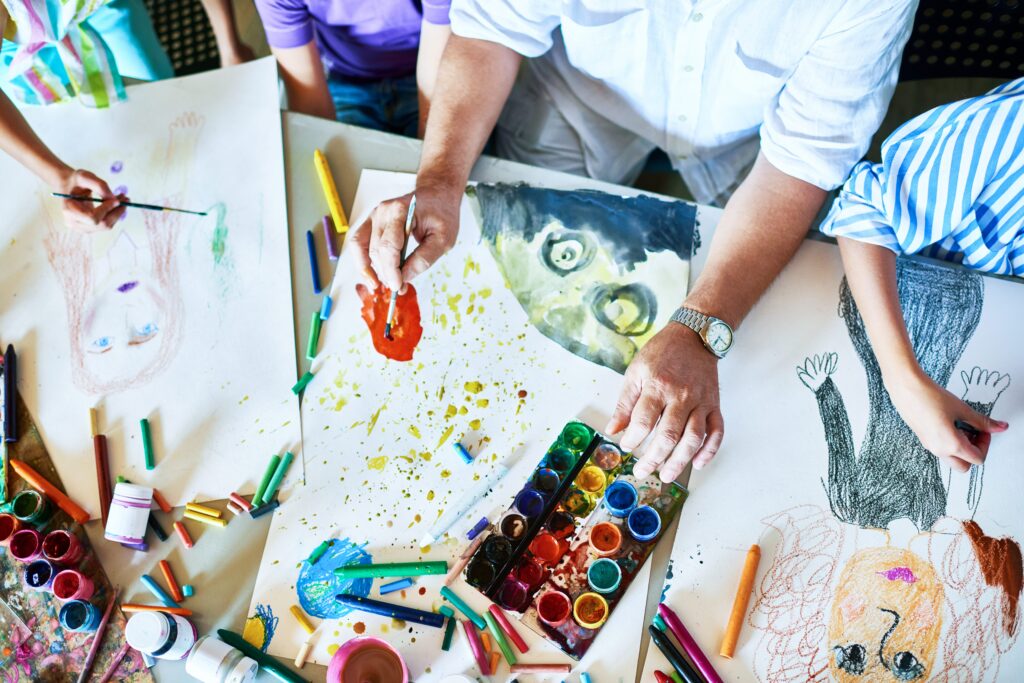
Expressive arts therapy uses creativity (e.g., painting, drawing, sculpting, music or movement) to help patients share feelings. Art and music are a safe, nonverbal way to work through difficult emotions.
How creative therapies differ from traditional talk therapy
Talk therapy relies on words. Expressive therapies tap directly into the emotional parts of the brain. They help patients process experiences that are difficult to explain. Research shows this is especially helpful for trauma-related addiction.
The science behind art and music therapy
How creative expression accesses the brain's emotional centers
Creating art or music activates areas of the brain that are involved in emotions and reward, helping patients tune into and learn to manage feelings without substances. Studies show that expressive activities can strengthen emotional regulation and improve mental well-being.
Art and music therapy and neurochemical healing
Music therapy in mental health recovery can increase dopamine, the brain chemical that drives motivation and pleasure. Artmaking can lower stress hormones (e.g., cortisol) and promote calm and focus. Together, these therapies support emotional and neurochemical (brain) healing.
Research supporting expressive arts in addiction recovery
Multiple studies show expressive arts therapy improves coping skills, reduces anxiety and boosts self-awareness in people with substance use disorders. Research shows that patients using art or music therapy had better emotional resilience and reported feeling more connected to their recovery process.
Benefits of art therapy in recovery
Processing trauma without words
Art therapy gives patients a non-verbal way to work through trauma safely. They don’t have to explain painful memories to begin healing.
Rebuilding identity and self-expression in sobriety
Addiction erodes self-esteem. Art helps patients reconnect with themselves, explore their identity and express feelings they may have hidden or suppressed for several years.
Reducing stress, anxiety and emotional pain
Art provides patients with a healthy outlet for anxiety, sadness or frustration. Patients often leave sessions feeling calmer and more in control.
Benefits of music therapy in recovery
Music, mood and the dopamine connection
Music can trigger dopamine release, helping patients feel pleasure, motivation and emotional balance. Music therapy sobriety programs use this music to support emotional recovery.
Using rhythm and sound to regulate emotions
Singing, drumming or songwriting helps patients manage emotions. Structured musical activities teach practical ways to cope with triggers without substances.
Group music therapy and building connection
Group music sessions create a sense of community and belonging. Patients feel understood and supported, which strengthens resolve and long-term recovery.
How art and music therapy work alongside other treatments
Integrating expressive therapy with CBT and DBT
At Beach House Center for Recovery, creative therapies are used alongside Cognitive Behavioral Therapy (CBT) and Dialectical Behavior Therapy (DBT). They give patients practical ways to apply new coping skills in emotionally meaningful ways.
Creative therapy as a complement to trauma treatment
For patients in integrated trauma treatment, art and music therapy help them process trauma safely, reducing relapse risk and building emotional resilience.
Expressive and holistic therapies at Beach House Center for Recovery
Creative healing options within Beach House Center for Recovery's programs
Beach House Center for Recovery offers painting, music composition and movement therapy. Patients choose activities that match their comfort and interests, making recovery personal and empowering.
What to expect in an expressive therapy session
Sessions are guided by licensed clinicians. Patients may work alone or in groups on activities such as:
- Guided art or music exercises
- Reflection on emotions and experiences
- Integration with other therapies for full healing
Ready to explore how expressive therapies can support your recovery? Contact Beach House Center for Recovery today to learn more and take the next step toward healing.
FAQs: art and music therapy in recovery
Do I need artistic talent to benefit from art therapy?
Not at all. The focus is on self-expression. No skills required!
How is music therapy different from just listening to music?
Patients actively create music or write songs with guidance from clinicians. This approach helps reach emotional and behavioral goals.
Can creative therapies help with trauma-related addiction?
Yes. Art and music therapy give patients a safe, nonverbal way to process trauma, manage triggers and strengthen coping skills.
Is art or music therapy available at Beach House Center for Recovery?
Yes. Both therapies are included in the holistic programs at Beach House Center for Recovery.
How often are sessions offered?
Sessions are scheduled throughout the week and tailored to each patient’s residential treatment plan.