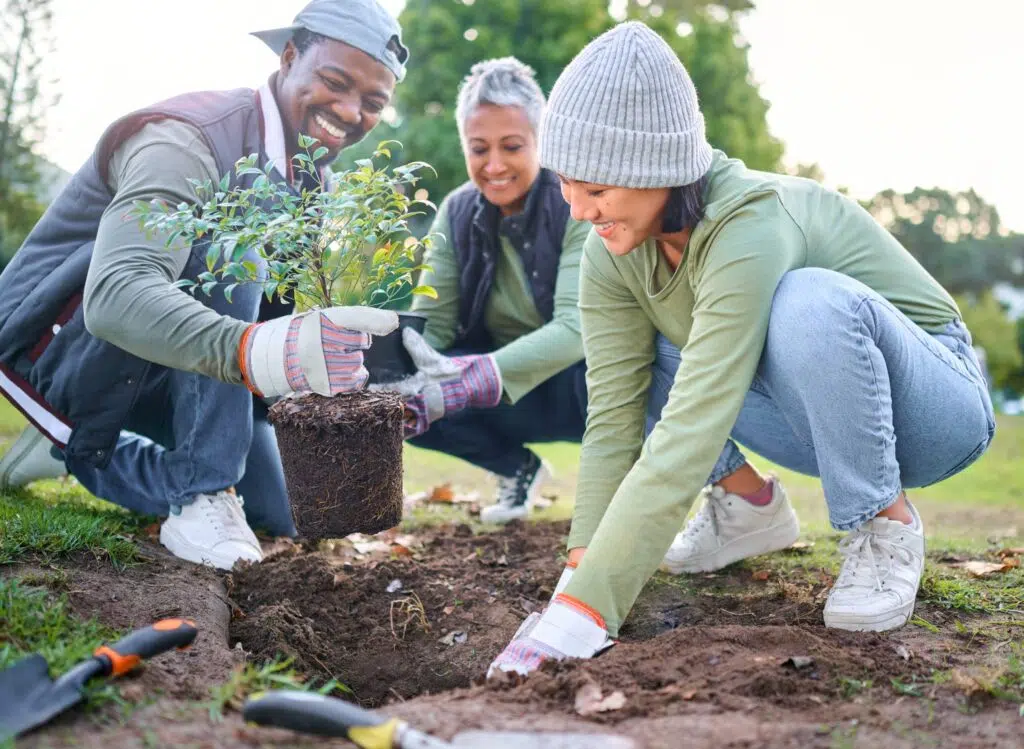
Choosing sobriety is a powerful step toward a healthier life. And, while it can feel challenging, the right support makes lasting change possible. In 2020, over 41 million people in
Stress activates the same brain systems involved in addiction, making it one of the most common triggers for relapse. When stress increases, cravings often follow. Learning how to manage stress
Recovery from addiction means helping the brain and body heal while building new habits that support long-term wellness. Research shows that people who exercise regularly during recovery are more likely
Recovery means healing your whole person: mind, body and spirit. Talk therapy can help, but some feelings are hard to put into words. That’s where art therapy for addiction recovery
Millions of people struggle with addiction each year. Stigma can make it hard to get help. Shame, judgment and misunderstanding about substance use disorders can delay treatment, worsen mental health
Healthy daily habits have a powerful impact on long-term health and recovery. Research shows that maintaining positive lifestyle behaviors such as good nutrition, regular physical activity, adequate sleep and avoiding
If you’re reading this, then you’ve already done something powerful. You may have completed treatment. Maybe you’re attending meetings. Maybe you’re just beginning to take recovery seriously and make real
It’s 3 a.m., and you’re wide awake. Again. You may feel exhausted, but your mind keeps racing. Thoughts about the past, worries about the future, or strong emotions can make
Recovery can feel uncertain, especially when you’re standing at the beginning. Many people wonder if long-term recovery is really possible. One Beach House Center for Recovery alumnus described recovery this
Starting recovery from addiction can feel lonely and overwhelming. Many people worry, “Am I the only one struggling like this?” That sense of isolation is common, but it doesn’t have
Addiction affects more than one person. It changes relationships, communication patterns and daily routines inside the home. Recovery works best when families heal together and learn how to support lasting
Returning to work after addiction treatment is a major step forward in recovery. A steady job can bring structure, purpose and a sense of independence. For many people, it marks
Deciding to seek help for addiction is not easy. Whether you’re looking for support for yourself or someone you love, the process can feel overwhelming. There are many rehab centers
Whether it’s 24 hours, your first 30 days or your first year sober, the first time you reach a recovery milestone can feel powerful. But these moments can also bring
It’s normal to feel proud and nervous when treatment ends. You may feel hopeful about your future, but unsure how to handle life’s challenges without daily support. The aftercare program
Addiction affects more than the person using substances. It touches everyone who loves them. You might feel exhausted, anxious or unsure how to help without making things worse. You’re not
Chronic pain is a common symptom among those who’ve experienced trauma. Many patients in recovery carry the effects of past trauma in their bodies, which can show up as muscle
When seeking treatment for addiction, knowing who is on your care team and their credentials can make all the difference. Staff credentials show their training, experience and ability to provide
Did you know that about six percent of the U.S. population will experience post-traumatic stress disorder (PTSD) at some point in their lives and nearly half (46.4%) also have a
Addiction takes a profound toll on the body. Research shows that up to 50 percent of people with substance use disorders (SUDs) experience malnutrition, often with deficiencies in essential vitamins
Post-traumatic stress disorder, or PTSD, can make recovery from substance use disorders (SUDs) significantly more complex. Flashbacks, hypervigilance, insomnia and panic symptoms can persist long after someone stops using drugs
Addiction recovery takes time, and each person’s experience is different. As needs change, tiered treatment options offer support at every stage to help meet each person’s goals. At Beach House
Recovery is more than overcoming substance use. Research shows that patients who adopt structured lifestyle changes are far more likely to maintain long-term sobriety. At Beach House Center for Recovery,
Trauma is far more common than many people realize. According to the World Health Organization, around 70 percent of people worldwide will experience a potentially traumatic event during their lifetime,
Intense feelings, sudden mood swings and unexpected cravings can complicate the first weeks and months of recovery. But they’re not signs of failure. They’re signs your brain is healing. Emotional