

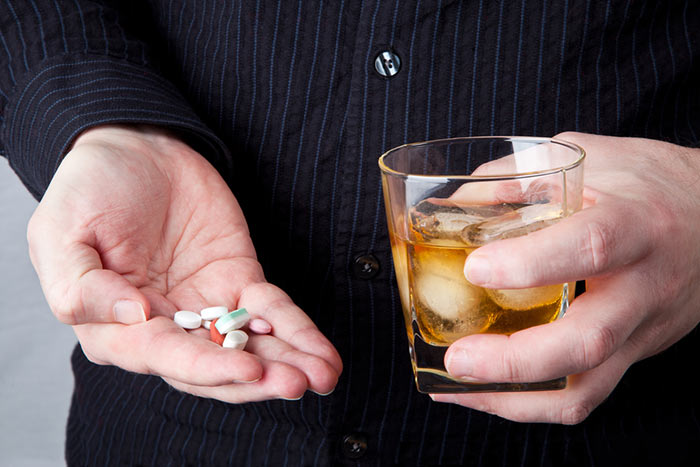
Alcohol vs. drugs: why this question matters
When people ask which is worse, alcohol or drugs, they are usually trying to understand risk.
For many, risk includes how addictive a substance is, the physical and mental harm it causes and its long-term impact on daily life.
Despite being legal, alcohol ranks high across these measures because it has the potential to create dependence, injury and serious health complications.
Why alcohol is often underestimated as a drug
The widespread use and cultural acceptance of alcohol make it easy to overlook early warning signs of misuse. People often do not recognize alcohol as a drug until problems begin to impact their health, social and professional relationships or daily functioning.
Is alcohol considered a drug medically?
Yes. From a medical perspective, alcohol meets all definitions of a drug.
Alcohol changes brain chemistry, impairs judgment, diminishes coordination and produces tolerance, dependence and withdrawal.
Alcohol is more addictive than many illicit drugs
Alcohol can be surprisingly addictive. In fact, research shows that it can be more dangerous than many illicit substances.
How addictive is alcohol compared to other drugs?
A panel of addiction experts and scientists ranked alcohol as the second most addictive substance worldwide, narrowly behind heroin. It ranked higher than cocaine, barbiturates and nicotine.
Addictiveness is measured by factors such as:
- Harm caused to individuals and society
- Degree of activation in the brain’s reward system
- Intensity of pleasure reported by users
- Speed at which dependence develops
Alcohol consistently scores high in these areas. Laboratory studies show dopamine levels increase by 40 to 360 percent during alcohol use. Nearly one in four people who try alcohol will develop dependence at some point.
Alcohol addiction vs. drug addiction explained
Alcohol and drug addiction share key factors, including:
- Tolerance
- Compulsive use
- Loss of control
Alcohol use disorder (AUD) can sneak up on someone because drinking is so common and socially accepted. Early warning signs are easy to miss.
The harm that alcohol causes: why it's worse than heroin, crack or marijuana
Then there is the far-reaching damage that alcohol causes. This can be measured both individually and societally, in terms of harm to users and others. Here, alcohol outranks all other rivals, including heroin, cocaine and marijuana, as the drug that annually causes the most overall harm.
How is this so? Take a look:
- Alcohol leads to more deaths than all other drugs combined.
The National Institute on Alcohol Abuse and Alcoholism (NIAA) estimates that alcohol causes 88,000 deaths every year, which is more than the annual number of deaths caused by all other drugs combined. It is also the third leading cause of death worldwide. - The health-related costs of alcohol far exceed those associated with other drugs.
More people enter treatment for alcohol than for any other drug. Then there are the costs of attending to the many alcohol-related injuries that show up in emergency rooms each year, not to mention the exorbitant price society pays for the tragic blight of drunk driving. - Alcohol is the leading drug that sets teen users on the path toward long-term drug abuse.
Nearly 90 percent of drug-using high school seniors started with alcohol as early as fifth or sixth grade.
Physical damage from alcohol vs. drugs
While some drugs cause acute toxicity, chronic alcohol use often causes long-term, cumulative harm to nearly every organ system.
Common issues include:
- Liver disease
- Heart disease
- Stroke
- Gastrointestinal problems
- Multiple cancers
Mental health effects of alcohol vs. drugs
Alcohol can also negatively impact a person’s mental health, leading to depression, anxiety or other mood-related disorders.
It also disrupts sleep, increases impulsivity and heightens suicide risk. Long-term use may trigger or intensify psychiatric conditions, particularly for those with underlying mental health disorders.
Long-term effects of alcohol and drugs on the brain
Alcohol causes long-term, progressive changes that impact memory, emotional regulation and decision-making. These effects can persist even after drinking stops, especially without support from a structured treatment program, specialized therapy and ongoing clinical support.
Medical comparison of alcohol vs. drugs
Overdose risk: alcohol vs. drugs
Alcohol poisoning is a leading cause of overdose death. High consumption can depress breathing and gag reflexes, which may be fatal—especially when combined with other illicit substances.
Withdrawal symptoms of alcohol vs. drugs
Alcohol withdrawal can be life-threatening. Symptoms may include:
- Seizures
- Hallucinations
- Delirium tremens (DT), a severe form of alcohol withdrawal that causes sudden and severe mental or nervous system changes
Can alcohol be more dangerous than illegal drugs?
Yes. Alcohol’s accessibility, social acceptance and severe withdrawal risks can make it more dangerous that illegal drugs.
Long-term damage of untreated alcoholism
Untreated alcohol use disorder causes progressive, systemic damage that can sometimes be permanent. Over time, an untreated AUD can cause vital organs (e.g., brain, heart and liver) to weaken or fail.
Common long-term effects include:
- Cirrhosis of the liver
- Congestive heart failure
- Stroke and high blood pressure
- Cognitive decline and psychiatric illness
- Increased risk of multiple cancers (e.g., esophagus, stomach, colon, lungs, liver and prostate)
Even with severe consequences, alcohol addiction recovery is possible with appropriate treatment and support in a rehab facility.
Liver, heart and neurological damage from alcohol
Chronic alcohol use disrupts blood circulation, damages nerve tissue and impairs cardiac function. These effects often worsen gradually, making early recognition critical.
How alcohol causes progressive health decline
Alcohol misuse can reduce nutrient absorption, disrupt hormone balance and weaken the immune system. Over time, it can impact physical health and mental well-being.
Public health impact of alcohol vs. drugs
Alcohol-related deaths vs. drug overdose statistics
Alcohol contributes to more deaths annually than opioids, stimulants and illicit drugs combined.
| Mortality Measure | Number of Deaths | Source |
| Alcohol‑related deaths | 108,791 | National Institute on Alcohol Abuse and Alcoholism (2023) |
| Drug overdose deaths | 106,699 | National Vital Statistics System (CDC) |
Why alcohol causes widespread societal harm
Because alcohol use is common and normalized, its effects can quickly ripple through families, workplaces and communities.
Impaired driving, domestic incidents and lost productivity all contribute to its public health burden.
Alcohol abuse vs. drug abuse: key differences
Social acceptance and delayed intervention
Because alcohol is legal and widely accepted, risky use can go unnoticed for years. Signs that would raise concern with illicit drugs are often overlooked when alcohol is involved. Patients, families and friends should watch for:
- Drinking more than intended or for longer periods than planned
- Difficulty cutting back or controlling use despite negative consequences
- Neglecting responsibilities at work, school or home due to drinking
Why alcohol addiction is often diagnosed later
Many patients seek help only after medical complications or mental health crises arise. By that point, treatment may require more intensive clinical support.
Recovery from alcohol vs. drug addiction
Treatment differences for alcohol and drug addiction
Alcohol treatment often includes medical detox, psychiatric care and structured therapy. The Beach House Center for Recovery treatment programs address physical dependence and any co-occurring mental health conditions.
Relapse risks: alcohol vs. drugs
Relapse risk for alcohol is high due to regular exposure (e.g., stores, ads, events, etc.). Long-term recovery relies on coping strategies, structured support and ongoing accountability.
Long-term recovery challenges with alcohol use disorder
Sustained recovery involves rebuilding routines, relationships and emotional regulation. Even after a patient completes a residential addiction treatment program at Beach House Center for Recovery, continued care and guidance are essential to maintaining sobriety and lasting wellness.
How Beach House Center for Recovery helps
The licensed clinicians at Beach House Center for Recovery provide high-quality treatment for both substance use and mental health needs. We develop individualized plans that balance structure, therapy and support.
Personalized treatment for alcohol and drug addiction
Patients receive evidence-based care, including medical detox, integrated therapy and skill-building for long-term recovery. Programs focus on stability, emotional regulation and relapse prevention.
When to seek professional help for substance use
Professional help is appropriate when alcohol or drug use affects health, relationships or daily functioning. Early intervention improves outcomes and reduces long-term harm.
If you or a loved one needs help overcoming a drug, alcohol or another type of addiction, contact our admissions staff today to find out which program is right for you. We are proud to serve various areas in Florida, including Broward County, Orlando, Miami-Dade and Palm Beach.
FAQs: alcohol vs. drugs
Does alcohol cause more damage than drugs over time?
Yes. Alcohol causes widespread organ damage, increases cancer risk and contributes to more annual deaths than all other drugs combined, making its long-term impact particularly severe.
Why is alcohol legal if it’s so dangerous?
Alcohol legality reflects historical and cultural factors, not safety. Medical research consistently shows that alcohol carries significant health risks despite being widely socially accepted.
Is alcohol withdrawal more dangerous than drug withdrawal?
It depends on several factors such as length of use, severity and a person’s overall health. Alcohol withdrawal can be life-threatening and may cause seizures or delirium tremens. Medical detox is often required to manage symptoms safely and reduce complications.
Can someone be addicted to alcohol without drinking daily?
Yes. Alcohol addiction is defined by loss of control and dependence, not frequency. Binge drinking patterns can still lead to serious addiction and health consequences.
Which addiction has higher relapse rates: alcohol or drugs?
While both pose a significant risk of relapse, alcohol relapse rates tend to be high due to constant exposure and social acceptance. Long-term recovery often requires structured treatment and ongoing clinical support strategies.
Related Articles:
The Legal High: Why Alcohol is so Addictive
How Untreated Drug or Alcohol Addiction Affects Other Health Issues