

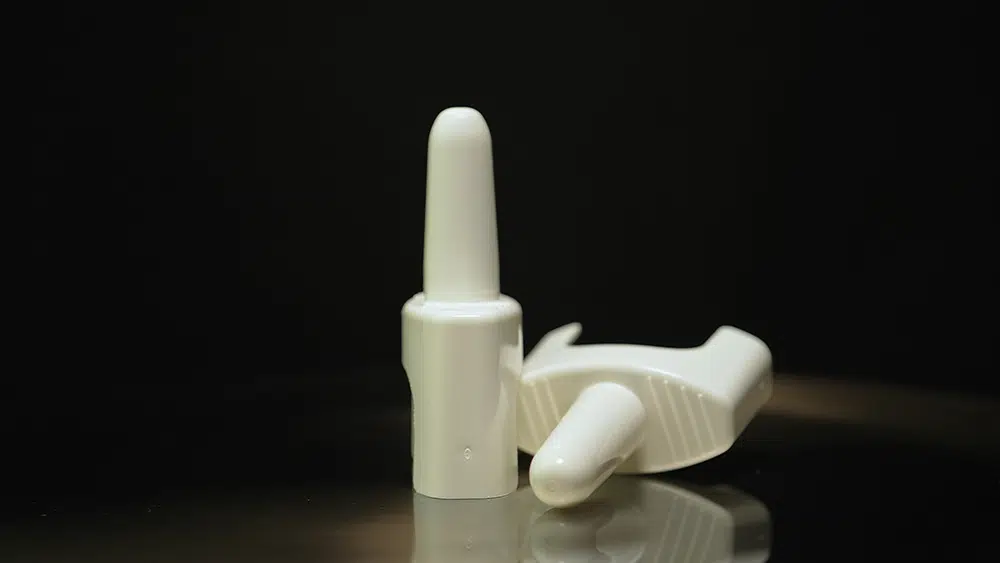
Naloxone vs. Naltrexone at a Glance
The main difference between naltrexone and naloxone is when they're used. Naloxone responds to an overdose already happening, while naltrexone supports longer-term treatment.
| Naloxone (Narcan) | Naltrexone | |
| Primary purpose | Reverse an opioid overdose | Help prevent a return to opioid use and treat alcohol use disorder |
| When it's used | During a suspected opioid overdose | During ongoing addiction treatment, after an appropriate opioid-free period |
| How it works | Rapidly displaces opioids from receptors, reversing their effects | Blocks opioid receptors and reduces opioid cravings |
| Available forms | Nasal spray and injection | Oral tablets and extended-release injection |
| Prescription required? | No for over-the-counter Narcan nasal spray; requirements vary for other products | Yes |
| Who uses it? | Bystanders, family members, first responders, and healthcare professionals | Patients under a healthcare professional's supervision |
| How long it works | Short-acting; repeat doses may be necessary | Longer-acting; duration depends on the formulation |
Both medications interact with opioid receptors, but they aren't interchangeable. Neither should be used as a substitute for the other.
What Is Naloxone (Narcan)?
Naloxone is a medication that can rapidly reverse the effects of an opioid overdose. Narcan is a brand name for naloxone nasal spray.
During an opioid overdose, breathing can become dangerously slow or stop altogether. Naloxone temporarily blocks opioid activity in the brain, helping restore breathing and potentially saving a person's life.
According to the National Institute on Drug Abuse (NIDA), naloxone can reverse overdoses involving opioids such as heroin, fentanyl, and prescription opioid pain medications.
Signs of a possible opioid overdose include:
- Unresponsiveness or inability to wake up
- Slow, shallow, or stopped breathing
- Gurgling or choking sounds
- Blue or gray discoloration around the lips or fingernails
- Very small, pinpoint pupils
If you suspect an opioid overdose, administer naloxone if available and call 911 immediately. Don't wait for symptoms to worsen.
For additional guidance, read our article on when to give Narcan.
How Naloxone Reverses an Overdose
Naloxone is an opioid antagonist, meaning it binds to opioid receptors and blocks the effects of opioids.
When administered during an overdose, it can quickly displace opioids from these receptors and reverse opioid-induced respiratory depression.
Naloxone generally begins working within a few minutes. However, its effects are temporary and may wear off before the opioids have left the person's system.
This means someone who initially responds to naloxone can experience another overdose as the medication wears off.
The U.S. Food and Drug Administration (FDA) emphasizes the importance of emergency medical attention after administering an overdose reversal medication.
If someone is experiencing a suspected overdose:
- Give naloxone immediately if available.
- Call 911.
- Follow the product instructions for additional doses if the person doesn't respond or breathing problems return.
- Provide rescue breathing or CPR as directed by emergency dispatchers, if appropriate.
- Stay with the person until emergency responders arrive.
Naloxone can reverse an overdose, but it doesn't treat opioid dependence or prevent future substance use.
Our guide to Narcan and detox explains why additional treatment may be needed after an overdose.
How to Get Narcan
Narcan nasal spray is available over the counter in the United States, meaning you don't need a prescription to purchase it.
The FDA approved the first over-the-counter naloxone nasal spray in March 2023, making this emergency medication more accessible.
Depending on your location, naloxone may be available through:
- Retail pharmacies
- Community health organizations
- Local health departments
- Overdose prevention programs
- Community distribution sites
Some organizations provide naloxone at no cost.
If you or someone close to you uses opioids, keeping naloxone accessible and learning how to administer it can be an important part of overdose prevention.
What Is Naltrexone?
Naltrexone is a prescription medication used to treat opioid use disorder and alcohol use disorder.
Unlike naloxone, which reverses an overdose, naltrexone is used during ongoing addiction treatment to reduce the rewarding effects of opioids and help prevent a return to use.
Naltrexone is one of the medications used in medication-assisted treatment, also called medications for opioid use disorder (MOUD). The most common brand name is Vivitrol.
According to the Substance Abuse and Mental Health Services Administration (SAMHSA), naltrexone blocks opioid effects and can reduce cravings. It isn't an opioid and doesn't produce opioid-like effects.
How Naltrexone Works
Naltrexone binds to opioid receptors in the brain and prevents other opioids from activating them.
This blocks the euphoric and rewarding effects associated with opioid use, which may help reduce the likelihood of returning to opioid use during recovery.
Unlike medications such as methadone or buprenorphine, naltrexone doesn't activate opioid receptors.
However, naltrexone doesn't relieve acute opioid withdrawal symptoms. It must be started only after an appropriate opioid-free period, under medical supervision.
Naltrexone also doesn't eliminate overdose risk. Attempting to overcome its blocking effects by taking large amounts of opioids can cause a life-threatening overdose.
Forms of Naltrexone
Naltrexone is available in two primary forms:
- Oral tablets: Taken by mouth, typically once daily. Oral naltrexone is FDA-approved for alcohol dependence and opioid dependence under specified conditions.
- Extended-release injection (Vivitrol): Administered by a healthcare professional approximately once a month. Extended-release injectable naltrexone is FDA-approved to help prevent relapse to opioid dependence following opioid detoxification and for alcohol dependence.
The appropriate formulation depends on the patient's diagnosis, medical history, treatment goals, and ability to follow the prescribed schedule.
For opioid use disorder, extended-release injectable naltrexone is the FDA-approved long-acting formulation. A prescribing clinician can explain which medication options are appropriate.
Who Can Take Naltrexone?
Naltrexone may be an option for certain individuals with opioid use disorder who have completed withdrawal and are medically ready to begin treatment.
Patients must be opioid-free before starting naltrexone. Starting it while opioids remain in the body can trigger precipitated withdrawal, which may be sudden and severe.
SAMHSA generally recommends waiting at least seven days after short-acting opioids and 10 to 14 days after long-acting opioids. The appropriate interval depends on the medication used, the person's health, and the prescribing clinician's assessment.
A healthcare professional may also evaluate:
- Recent opioid use and withdrawal symptoms
- Current medications, including opioid pain relievers
- Liver health and other medical conditions
- Treatment goals and preferences
- Potential risks and contraindications
Naltrexone isn't appropriate for everyone. A qualified medical professional must determine whether and when it can be started safely.
Considering treatment after opioid use? Medical supervision can help you manage withdrawal and understand your next steps. Contact Beach House Center for Recovery to discuss opioid detox and treatment options with our admissions team.
Can You Take Naltrexone and Naloxone Together?
Naltrexone and naloxone aren't routinely prescribed as a combination treatment because they serve different purposes.
However, naloxone should still be administered during a suspected opioid overdose, even if the person takes naltrexone.
Naltrexone doesn't replace naloxone, and taking naltrexone doesn't guarantee protection against overdose.
Overdose risk can increase when someone attempts to overcome naltrexone's blocking effects by using large amounts of opioids. Risk may also increase after missed doses or discontinuation because opioid tolerance can decrease during treatment.
If an overdose is suspected, give naloxone if available, call 911, and follow emergency instructions.
People taking naltrexone should discuss overdose prevention and access to naloxone with their prescribing clinician.
Why People Confuse Naltrexone and Naloxone
The names naltrexone and naloxone sound similar, and both medications act on opioid receptors. This can make them easy to confuse.
The simplest way to remember the difference is:
- Naloxone (Narcan) is for emergencies. It temporarily reverses an opioid overdose.
- Naltrexone is for ongoing treatment. It blocks opioid effects and supports recovery from opioid or alcohol use disorder.
When comparing Narcan vs. naltrexone, the most important distinction is that Narcan can save someone's life during an overdose, while naltrexone helps address substance use over time.
Where Naltrexone Fits in Opioid Addiction Treatment
For people with opioid use disorder, naltrexone may be considered after withdrawal has been completed and a clinician confirms that it's safe to begin.
The first step for some individuals is medically supervised detox.
During detox, healthcare professionals monitor withdrawal symptoms, address medical concerns, and help patients prepare for continued addiction treatment.
Once withdrawal is complete, a prescribing clinician may evaluate whether naltrexone or another evidence-based medication is appropriate.
Medication can be an important part of recovery, but treatment may also involve:
- Individual and group therapy
- Behavioral health support
- Relapse prevention planning
- Treatment for co-occurring mental health conditions
- Family education and ongoing recovery support
Beach House Center for Recovery provides medical detox and structured inpatient addiction treatment. These services can help patients stabilize and begin addressing the physical, emotional, and behavioral aspects of opioid addiction.
Frequently Asked Questions
What Is Vivitrol?
Vivitrol is the brand name for extended-release injectable naltrexone. A healthcare professional gives the injection about once a month, so patients don't need to remember a daily pill.
Like oral naltrexone, Vivitrol can only be started after an appropriate opioid-free period. It doesn't replace naloxone: anyone taking Vivitrol should still have naloxone available in case of an overdose.
Is Naltrexone the Same as Narcan?
No. Narcan is a brand name for naloxone, which reverses an opioid overdose. Naltrexone is a prescription medication used in ongoing treatment for opioid use disorder and alcohol use disorder. They aren't interchangeable.
Does Naltrexone Cause Withdrawal?
Naltrexone can cause precipitated opioid withdrawal if started before opioids have cleared from the body. This reaction can be severe. Patients must complete an appropriate opioid-free period before starting treatment, as determined by their healthcare professional.
Can You Get Narcan Without a Prescription?
Yes. Narcan nasal spray is available over the counter in the United States. Other naloxone products may have different access requirements. Pharmacies, community organizations, and public health programs may provide naloxone.
Is Naltrexone Used for Alcohol Use Disorder?
Yes. Naltrexone is FDA-approved to treat alcohol use disorder. It can help reduce alcohol cravings and the rewarding effects of drinking. A healthcare professional can determine whether it's appropriate based on the patient's health, current medications, and treatment needs.
Opioid Addiction Treatment at Beach House Center for Recovery
Understanding the difference between naloxone and naltrexone is an important step, but medication education is only one part of addressing opioid addiction.
At Beach House Center for Recovery, we provide medically supervised opioid detox and inpatient rehab to help individuals manage withdrawal and begin building a foundation for recovery.
Our admissions team can answer questions about treatment, explain the admissions process, and help you explore insurance coverage.
If you're seeking help for yourself or someone you love, contact Beach House Center for Recovery to discuss the next steps. You can also explore our guide to helping a family member get into treatment for additional support.