

Beach House Recovery Center » Treatment Programs » Inpatient Rehab
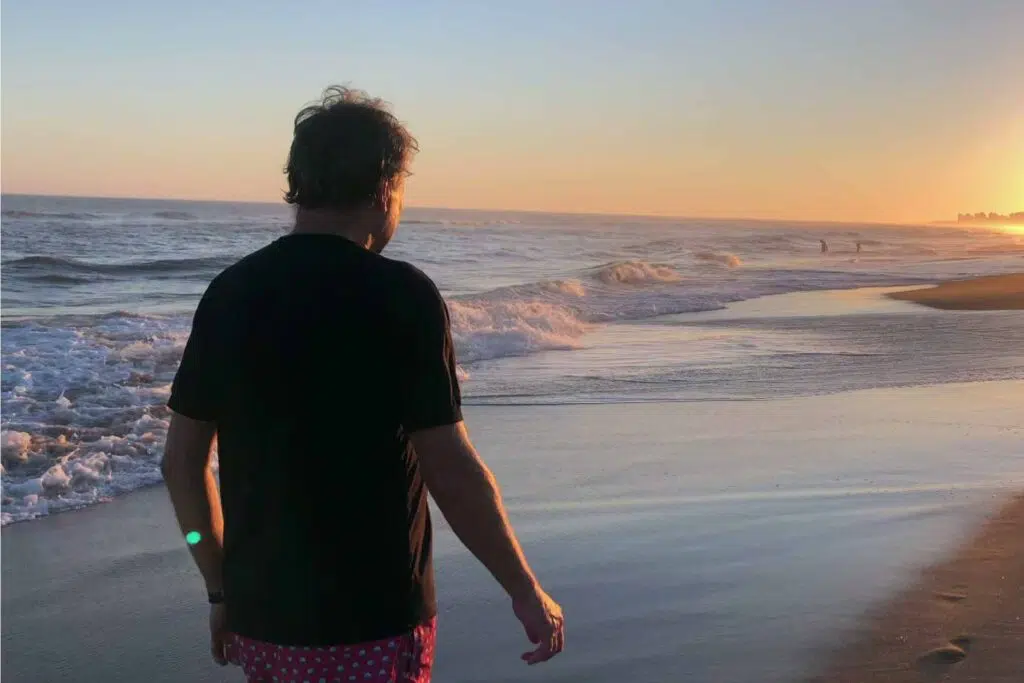
If you or a loved one is struggling with active alcohol or substance use disorder, help is available.
At Beach House Center for Recovery, we recognize that addiction treatment is a structured process that may require ongoing clinical and medical support.
Inpatient addiction treatment, also called residential treatment, allows patients to live at a treatment center while receiving structured care and support. This level of care may be appropriate for people who need a higher level of support than outpatient treatment can provide.
Our inpatient drug rehab center in Florida is a campus-based treatment center in Juno Beach, about one mile from the coastline. Along with evidence-based treatment, patients can take part in amenities such as sunrise beach meditations.
Staffed with highly trained addiction experts and medical professionals, we offer individualized care designed around each patient’s needs and long-term recovery goals.
Continue reading to learn more about our inpatient addiction treatment center. Inpatient treatment at Beach House Center for Recovery is an intensive therapeutic intervention designed to address the factors that may contribute to alcohol and substance use disorders. Treatment may also address co-occurring mental health concerns when appropriate.
Medically reviewed by Leslie Williams, LMHC, MS, CCTP, CSTS, Chief Clinical Officer
Inpatient rehab, also called residential treatment, provides a structured setting where patients live at a treatment center while receiving care for a substance use disorder.
Unlike outpatient treatment, patients remain at the facility throughout treatment and have access to support and services as part of their daily recovery routine.
At Beach House Center for Recovery, inpatient treatment includes clinical care, therapy, medical support when needed, and a personalized treatment plan. Care can also address co-occurring mental health concerns that may affect recovery.
Treatment can help patients develop coping skills, understand factors that may affect their substance use and prepare for challenges they may face after residential care.
Our inpatient addiction treatment center programs are tailored to each patient’s needs, health history and substance use history.
The National Library of Medicine (NLM) notes that residential treatment provides care 24 hours a day in a non-hospital setting. Treatment can include structured services that help people address substance use and build skills for recovery.
The following are some of the benefits of our inpatient alcohol and drug rehab in Florida:
Living at a treatment center also gives patients the opportunity to step away from some of the triggers and stressors of their usual environment while focusing on treatment and recovery. The structure of residential care may provide additional support for people who need more intensive treatment.
The duration of residential addiction treatment can vary based on several factors, including:
In general, inpatient treatment programs can range from 30 to 90 days or longer. Inpatient treatment for addiction typically consists of several phases that guide individuals through their recovery journey in a structured environment.
While the specifics can vary, here's a general outline of the typical phases of inpatient rehab. Treatment does not always follow these phases in the same order, and each patient's plan is based on their clinical needs.
During this phase, individuals undergo a comprehensive assessment by medical professionals and addiction specialists. This assessment helps determine the appropriate treatment plan, including the level of care needed and any co-occurring disorders.
For individuals with physical dependence on drugs or alcohol, detox focuses on safely managing withdrawal symptoms. When medically appropriate, patients may begin with medical detox before moving into residential treatment.
After detox, individuals work on stabilizing their physical and mental well-being. Therapists and counselors help develop coping strategies, address cravings, and provide education about drug or alcohol addiction, specific mental health disorders, and overall recovery plans.
This phase involves intensive individual counseling, group therapy, and evidence-based treatments focused on building healthy coping mechanisms and recovery skills.
During this phase, individuals acquire practical skills to manage triggers, stress, and emotions. They learn relapse prevention techniques, effective communication, and strategies to navigate challenges for their continued recovery.
As individuals recover, the focus shifts from detox and intensive therapy to preparing for life outside rehab. This may include creating a relapse prevention plan, identifying support networks, and developing strategies to handle potential triggers.
After completing the inpatient addiction treatment program, individuals transition to the next phase of their recovery journey.
Aftercare services often include outpatient therapy, support groups, and ongoing counseling to maintain sobriety. An aftercare program can help patients maintain the skills and support they developed during residential treatment.
Deciding on the most appropriate treatment for substance abuse is a pivotal step toward recovery.
An inpatient drug treatment program might be the right choice if you face challenges that require intensive support and a structured environment for recovery.
You should consider inpatient addiction treatment if you’ve experienced the following:
The right level of care depends on a person's needs, health, substance use history, and available support. If you are unsure whether inpatient or outpatient treatment is appropriate, an admissions specialist can help you explore your options.
With our campus-based environment in Juno Beach, Beach House Center for Recovery provides a structured setting for residential addiction treatment.
The Beach House Center for Recovery campus is located in Juno Beach, Florida, about one mile from the coastline. The setting provides a dedicated environment where patients can focus on treatment while participating in services and activities available through the program.
Along with our primary programs, we offer several inpatient services including intervention services and treatment for alcohol use disorder.
Recovery is an around-the-clock process. That’s why we have licensed providers who deliver medical support during detox and throughout treatment when clinically appropriate.
Moreover, we can quickly transfer patients to nearby medical facilities in emergencies.
Nearby medical centers include:
When a patient needs medical care beyond the services available at Beach House Center for Recovery, the treatment team can coordinate transfer to an appropriate medical facility.
With medically supported services designed to guide patients safely through detox, Beach House Center for Recovery gives patients the continual monitoring necessary to manage complications like Post-Acute Withdrawal Syndrome (PAWS) while they receive appropriate medical support.
Medication-assisted treatment (MAT) combines FDA-approved medications with counseling and behavioral therapies to support recovery from certain substance use disorders. Depending on a patient’s needs, MAT may help reduce cravings, manage withdrawal symptoms, and support continued recovery.
At Beach House Center for Recovery, MAT may be included as part of an individualized treatment plan when clinically appropriate. Medication, therapy, and other supportive services can work together to address the physical, emotional, and behavioral aspects of addiction.
MAT is not a one-size-fits-all approach. The treatment team evaluates each patient’s substance use history, health needs, and recovery goals to determine whether medication-assisted treatment may be appropriate.
Depending on a patient's needs and treatment plan, other levels of care may also be appropriate. The partial hospitalization program (PHP) provides a structured treatment option for people who may not need to live at a residential facility.
The length of inpatient treatment varies based on each patient's needs, substance use history, progress, and treatment plan. Programs may last 30 to 90 days or longer. At Beach House, the treatment team works with each patient to determine the appropriate length of care.
Inpatient or residential rehab requires patients to live at the treatment center while receiving structured care and support. Outpatient treatment allows patients to live at home while attending scheduled treatment sessions. Because patients in residential treatment remain onsite, inpatient care can provide more structure and support throughout the day. The right level of care depends on a person's clinical needs, safety, support system, and recovery goals.
Many health insurance plans provide some coverage for substance use disorder treatment, but benefits vary by plan. Beach House can help you verify your insurance coverage and understand your available treatment options.
What you can bring may vary based on the program and facility guidelines. Before admission, Beach House's admissions team can provide a list of approved personal items and explain what to expect when you arrive.
Choosing inpatient treatment is an important decision, and you do not have to figure out every step on your own. Beach House Center for Recovery can help you understand your treatment options, verify your insurance coverage, and determine whether residential care is appropriate for your needs.
Speak with a recovery consultant to learn more about inpatient rehab in Florida and the next steps toward treatment.